DIAGNOSTIC CENTRE
Advanced Diagnostic Centre
Accurate diagnostics. Early detection.
Better insights for a healthier tomorrow.
Accuraten Diagnosis
AI Assisted Technology
Trusted Care & Support
USG Obstetrics In Shivaji Nagar
- Home
- USG Obstetrics
Obstetric Ultrasound In Shivaji Nagar
A woman in her second trimester came in a little anxious last month, saying she hadn’t felt the baby move as much as usual over the past couple of days. Turned out everything was completely fine: an active, healthy baby, just resting in a position that made movements harder to notice from outside. She left relieved, and honestly, that’s exactly what a good obstetric scan is meant to do. It’s not always about catching something wrong. Half the time, it’s simply about confirming that everything actually is right.
That’s the real, everyday value of USG Obstetrics in Shivaji Nagar at Raghav Diagnostic Center. Pregnancy already comes with more than enough uncertainty on its own, and these scans exist to replace some of it with actual, visible answers about the baby’s growth, how things are progressing, and whether anything genuinely needs a closer look.
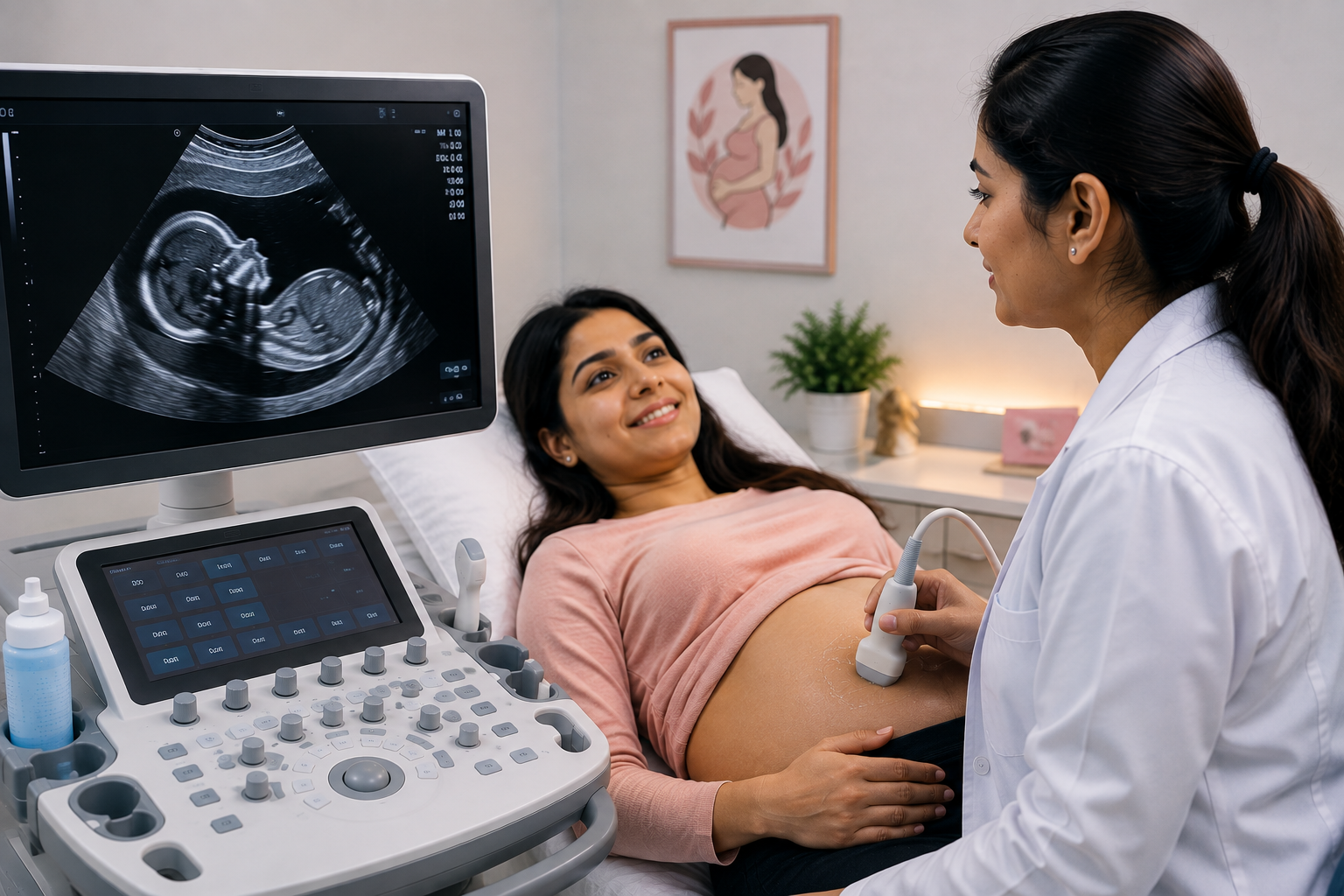
What an Obstetric Ultrasound Actually Involves
An Obstetric Ultrasound in Shivaji Nagar uses sound waves to build real-time images of the baby inside the womb, along with the placenta, amniotic fluid, and the uterus itself. No radiation involved, unlike an X-ray, which is exactly why ultrasound has stayed the standard imaging method through pregnancy for decades now.
Different stages of pregnancy call for different scans, each one looking at slightly different things. Early scans confirm the pregnancy and check for a heartbeat. None of them is just a repeat of the last one, each has its own job.
Why Timing Matters So Much With These Scans
A scan done too early might confirm a heartbeat, but it won’t show much beyond that. Certain structural details only become visible once the baby’s developed enough for organs and features to actually be assessed properly. That’s why doctors recommend scans at fairly specific windows early in the first trimester, again around eighteen to twenty weeks for a detailed check, and periodically through the third trimester depending on how things are going.
Delaying or skipping these windows doesn’t just mean missing out on a picture of the baby. It can genuinely mean missing the one stage where certain developmental details are actually visible at all.
What Doctors Are Actually Checking For
Each scan has its own checklist, but broadly, these scans track the baby’s growth against expected milestones, confirm the heartbeat and movement, check the placenta’s position, measure amniotic fluid levels, and during mid-pregnancy scans, examine organs, limbs, and overall structural development in genuine detail.
Position & Growth Monitoring
They also help identify the baby’s position as pregnancy moves along, which matters more closer to delivery,
and can flag things like a low-lying placenta
or slower-than-expected growth
early enough for doctors to
actually plan around it.
Why This Particular Scan Deserves Extra Care
Pregnancy scans carry a weight that other ultrasounds simply don’t. Parents aren’t just checking an organ they’re checking on someone they haven’t met yet, and that changes how much this moment matters to them.
High-Resolution Prenatal Equipment & Experts
- We keep that in mind every single time,
- using high-resolution equipment built specifically for prenatal imaging and sonographers who've spent real time reading these particular scans, not general-purpose ones
In-Depth Screen Explanations & Care
- We also take the time to explain what's actually showing up on screen
- instead of quietly taking measurements and handing over a printed report at the end.
For a lot of parents sitting in that room, understanding what they're looking at matters just as much as the accuracy behind it.
What Actually Happens During the Scan
Most obstetric scans happen through the abdomen with a bit of gel applied, a handheld device moved gently over the belly, images captured in real time. Early pregnancy occasionally calls for a transvaginal scan instead, for a clearer view, and we’ll explain exactly why and how, if that’s what your stage needs.
It’s painless throughout and usually takes fifteen to thirty minutes, depending on the stage of pregnancy and how much it needs a closer look. The mid-pregnancy anomaly scan naturally runs longer, simply because there’s more to examine carefully at that point.
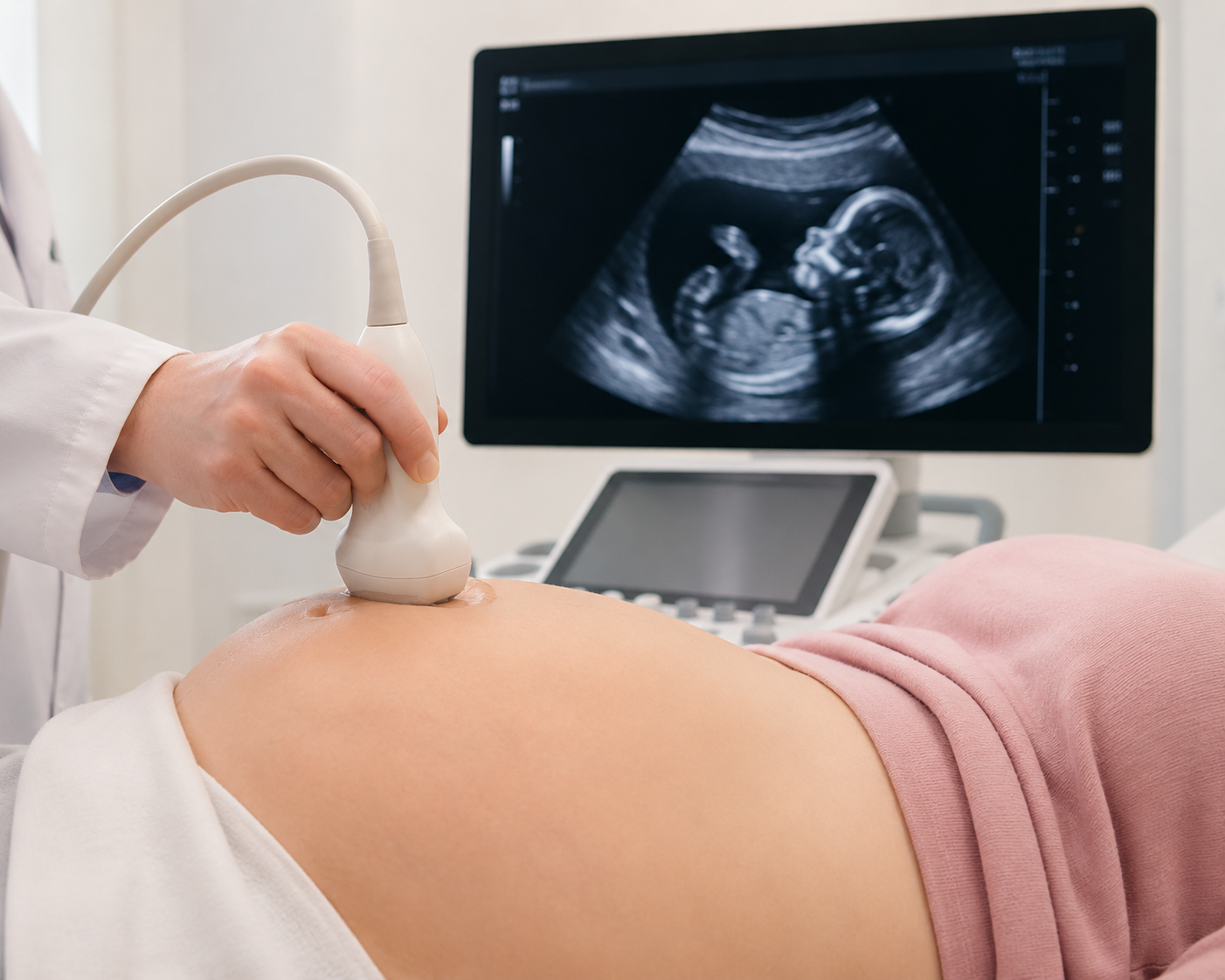
Common Reasons for an Obstetric Scan
- Confirming pregnancy and checking the baby's heartbeat early on
- Routine anomaly scan around eighteen to twenty weeks
- Tracking baby's growth through the third trimester
- Checking where the placenta's sitting
- Measuring amniotic fluid levels
- Noticing reduced or unusual baby movement
Testimonial our patient
Trusted Care, Positive Experiences
EXCELLENTTrustindex verifies that the original source of the review is Google. Expert care Dr well explained everything during sonography cleared doubts and made us comfortable!!Posted on GoogleTrustindex verifies that the original source of the review is Google. Good service highly professional team.Posted on GoogleTrustindex verifies that the original source of the review is Google. Had a very smooth experience with Raghav Diagnostic Centre. The staff was organized the place was clean and the reports were delivered on time everything felt well managed and professional.Posted on GoogleTrustindex verifies that the original source of the review is Google. First visit here and overall a positive experience . registration was quick staff guided us properly and there was no unnecessary waiting .would definitely recommend .Posted on GoogleTrustindex verifies that the original source of the review is Google. Good service .Posted on GoogleTrustindex verifies that the original source of the review is Google. Best diagnostic center in PunePosted on GoogleTrustindex verifies that the original source of the review is Google. good experience felt comfortable while speaking.Posted on GoogleTrustindex verifies that the original source of the review is Google. Good service . nice staffShowing only 4-5 star reviews
Blogs and News


Frequently Asked Questions
Most pregnancies come with at least three key ones: an early dating scan, a detailed check around eighteen to twenty weeks, and one or more growth scans as you get closer to delivery. Some situations need a couple more, depending on how things are going.
Genuinely safe. It runs on sound waves, not radiation, and it’s been the standard for pregnancy imaging for decades precisely because it carries no known risk to mother or baby.
Nobody just hands you a report and walks away. Your doctor sits with you, explains exactly what was noticed, what it could mean, and whether it needs closer monitoring or further testing.
The mid-pregnancy scan does show enough structural detail for that, though local rules around gender disclosure apply, and our team will guide you on what’s actually allowed.
Early scans sometimes need a full bladder for a clearer image, while later ones usually don’t need anything specific. We’ll tell you exactly what applies before your particular appointment.
It’s genuinely worth getting checked, sooner rather than later. Most of the time it’s completely normal, but a scan gives you real reassurance instead of leaving you sitting there just wondering.